
Jonathan Daniels
"I began to know in my bones and sinews that I had been truly baptized into the Lord’s death and
resurrection...with them, the black men and white men, with all life, in him whose Name is above all names
that the races and nations shout...we are indelibly and unspeakably one."
- Jonathan Daniels
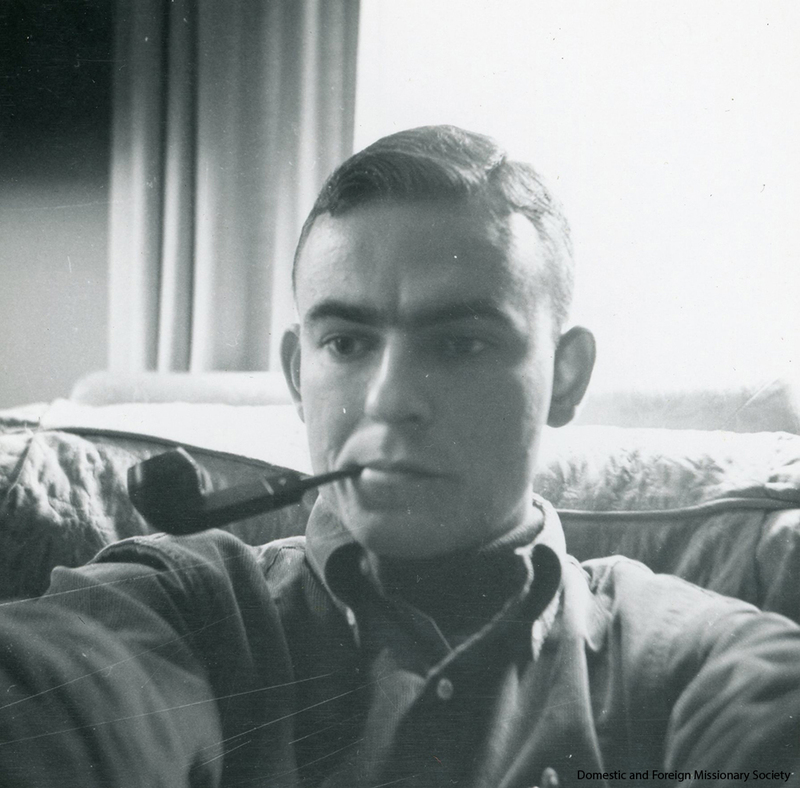
Jonathan Daniels, c. 1965.
A seminarian from the Episcopal Theological School in Cambridge, Massachusetts and an ESCRU member, Jonathan Daniels worked closely with civil rights leaders during the Selma, Alabama demonstrations. Initially, Daniels had emphatically defended the position of Bishop Carpenter, Bishop of Alabama, who had announced that he would not welcome any civil rights workers in his state. Daniels backed the traditionalist position that placed greater emphasis on the bishop’s authority, and he opposed outsiders entering Alabama without the permission of the Bishop. He changed his mind when tensions and violence escalated, and he heard Martin Luther King Jr.’s call to clergy to join him in the march from Selma to Montgomery. In August of 1965, he returned to Selma on an assignment to assist in a voter-registration project in Lowndes County. Daniels explained his return to Selma saying, “something had happened to me in Selma, which meant I had to come back. I could not stand by in benevolent dispassion any longer without compromising everything I know and love and value. The imperative was too clear, the stakes too high, my own identity was called too nakedly into question...I had been blinded by what I saw here (and elsewhere), and the road to Damascus led, for me, back here.”
On August 14, eight days after President Lyndon B. Johnson signed the Voting Rights Act into law, Daniels participated in a demonstration in Fort Deposit, Alabama. Along with other protesters, Daniels was arrested and transferred by garbage truck to the Hayneville, Alabama jail. The conditions in the jail were bad with many men sharing small cells. They only deteriorated further as the group spent six days in the jail without air conditioning to combat the hot August weather and with sanitary facilities that could not keep up with the overcrowded conditions. The cells were not equipped with showers, and the prisoners were not allowed to bathe elsewhere. Daniels led the group in song and prayer, which boosted morale and combated the bleakness of the situation.
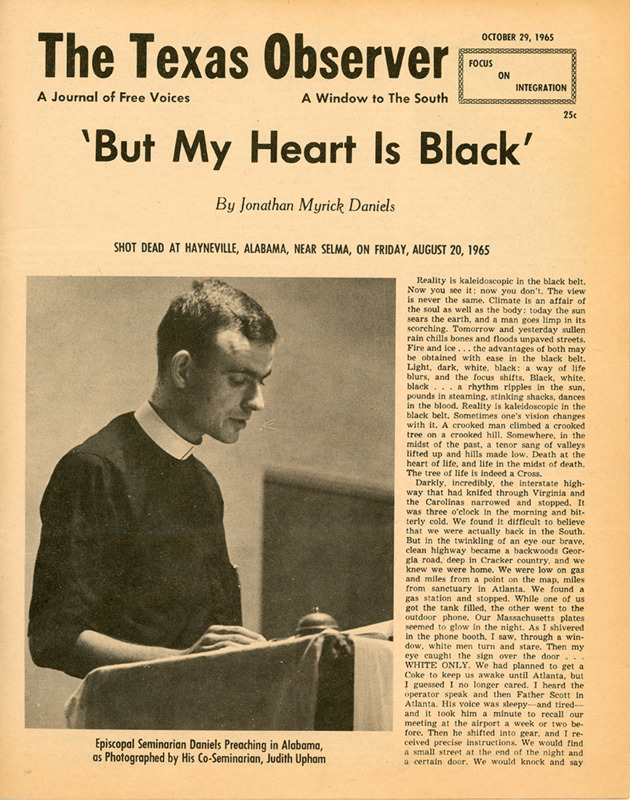
Article written by Jonathan Daniels and published posthumously in The Texas Observer, October 29, 1965.
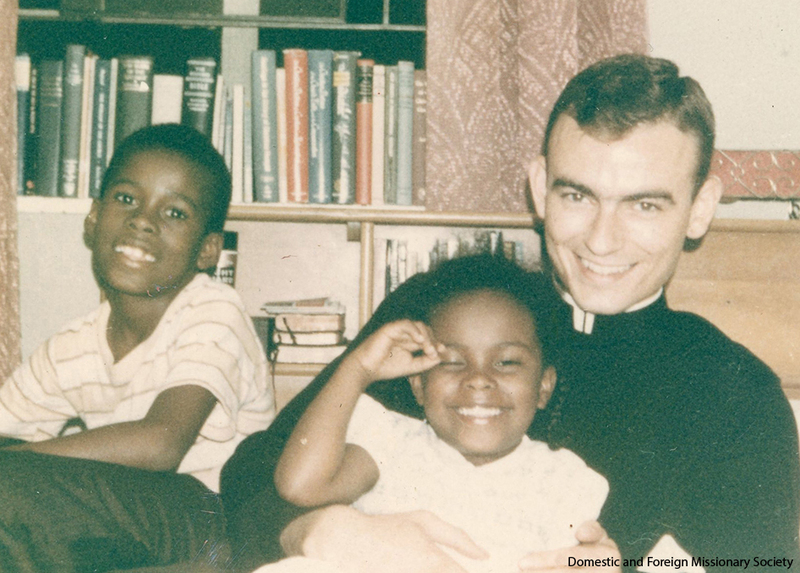
Jonathan Daniels was deeply moved by the hospitality he experienced when staying with the West family in Selma in 1965.
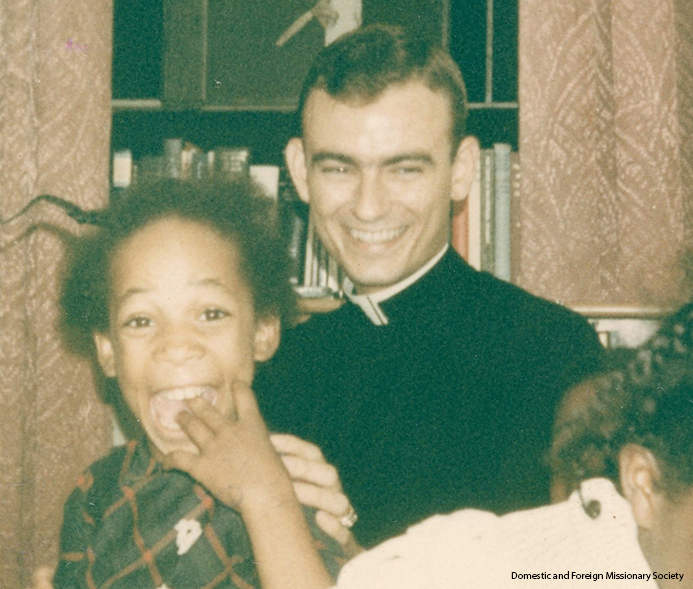
Jonathan Daniels with members of the West family during his time in Selma, 1965.