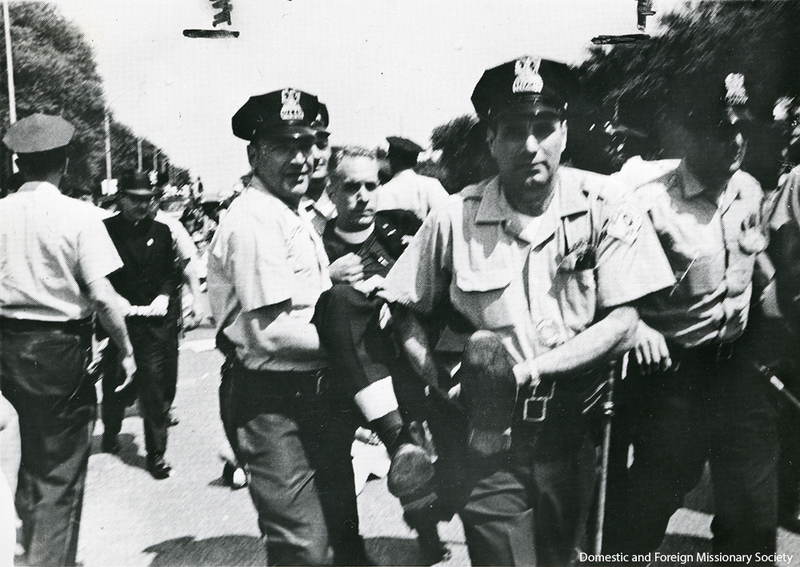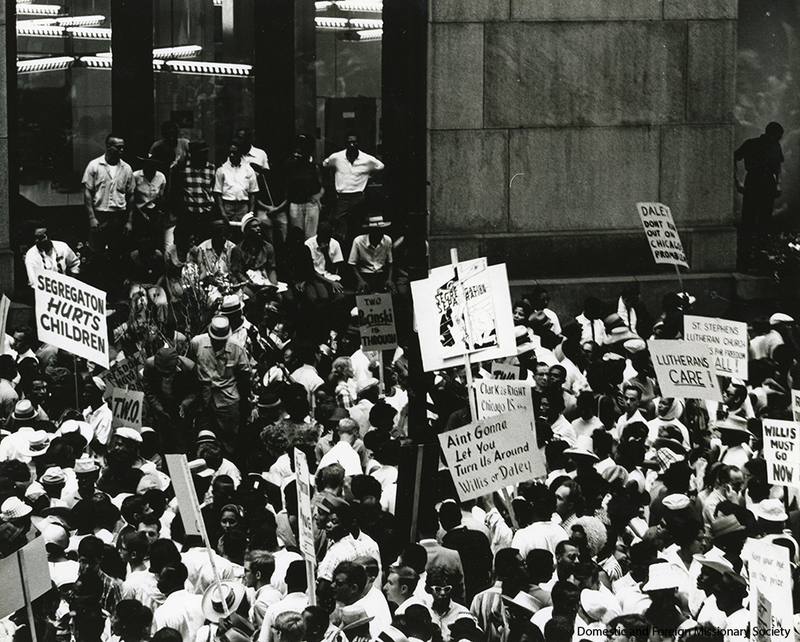
Origins of ESCRU
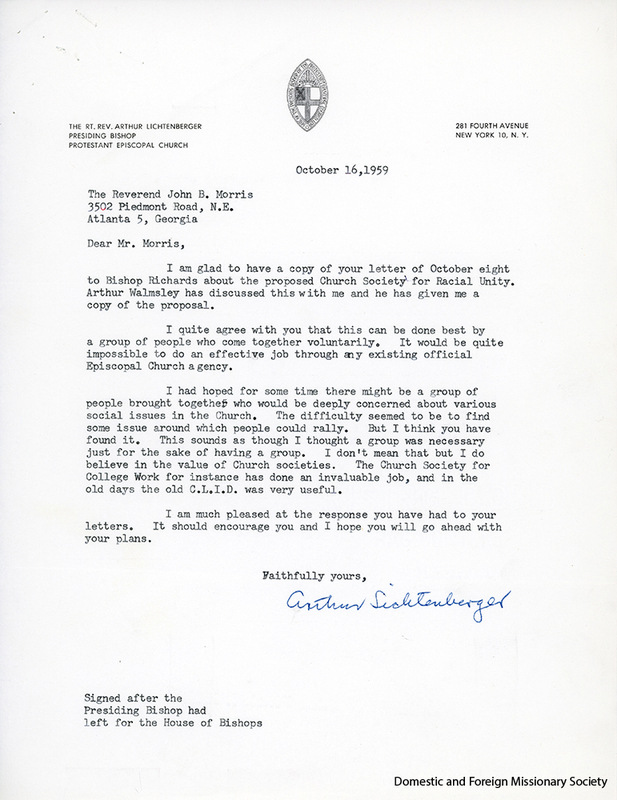
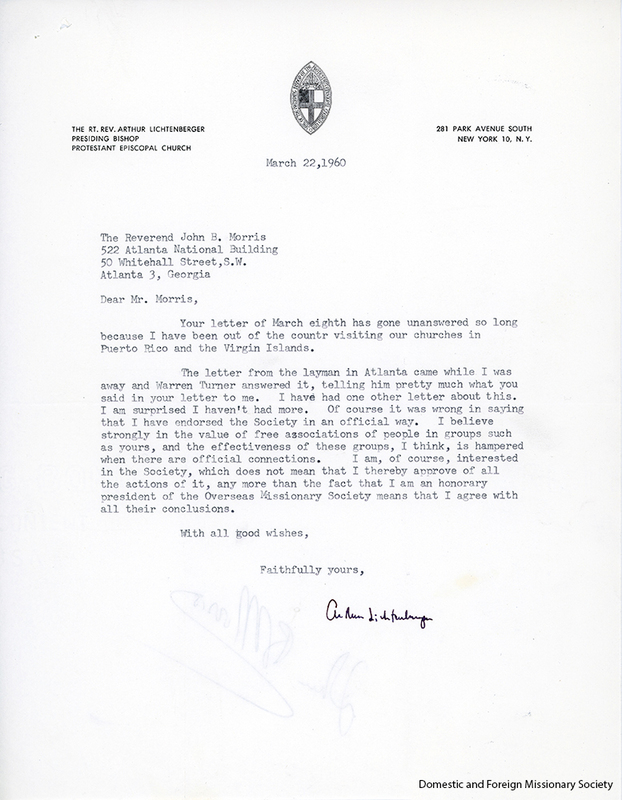
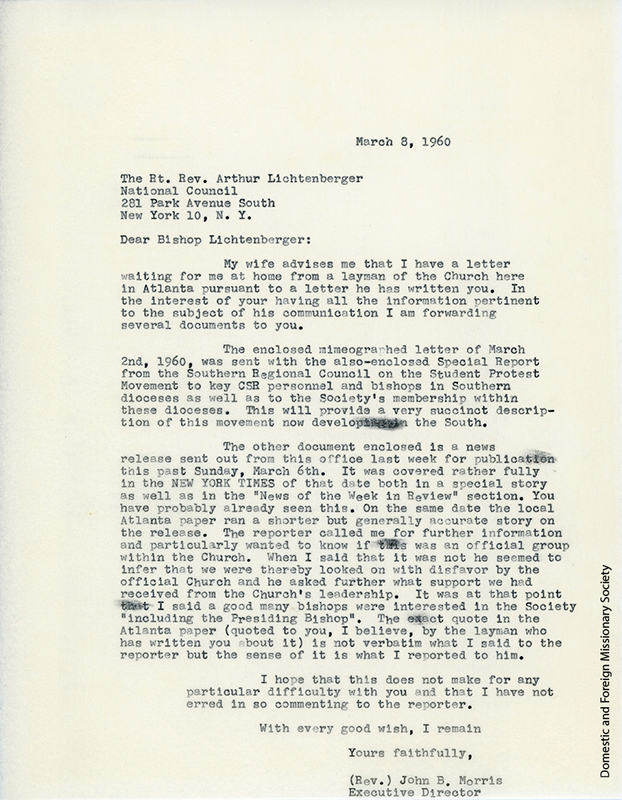
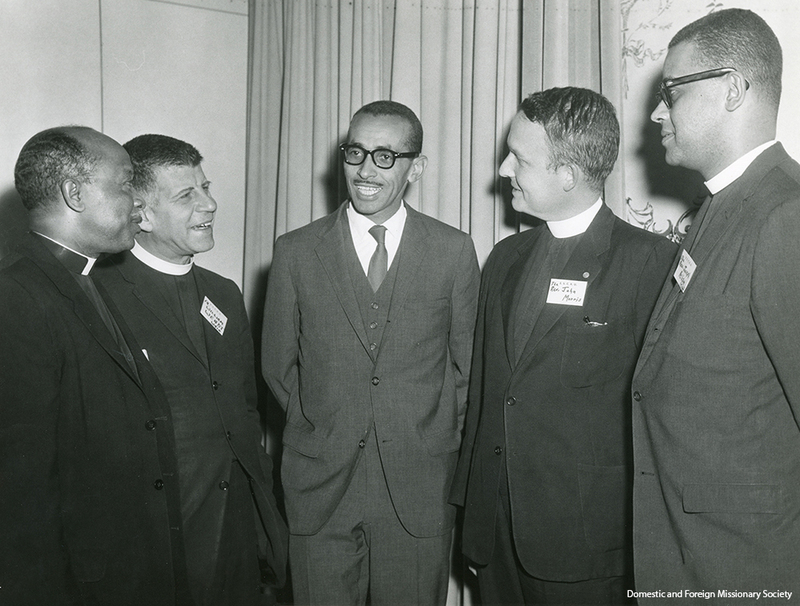
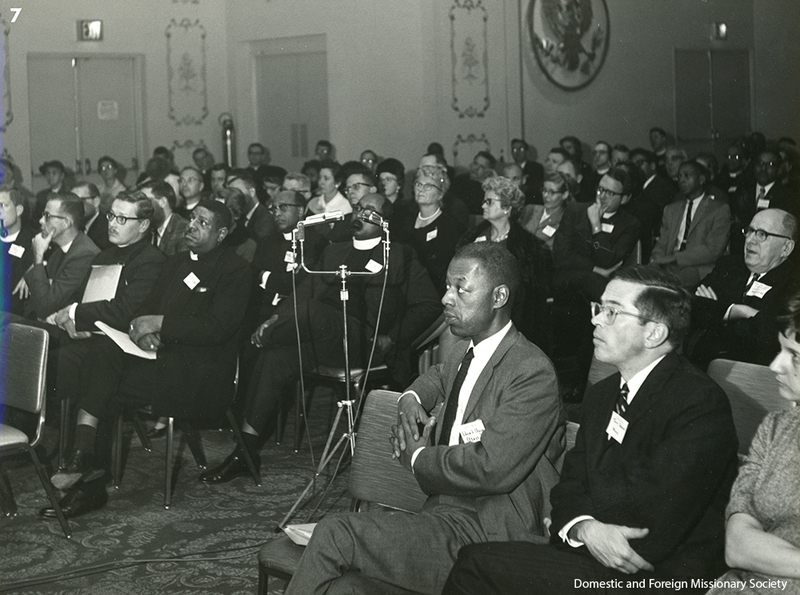
In December 1959, approximately one hundred lay and ordained Episcopalians responded to a call for meeting issued by the Reverends John Morris, Neil Tarplee, and Arthur Walmsley, to form an organization committed to removing all vestiges of segregation from the life of the church. The group adopted the name “Episcopal Society for Cultural and Racial Unity” and took issue with the de facto racial segregation that dominated church life, particularly in the South, which included refusing Black Americans admission to church-run institutions and to white worship services.
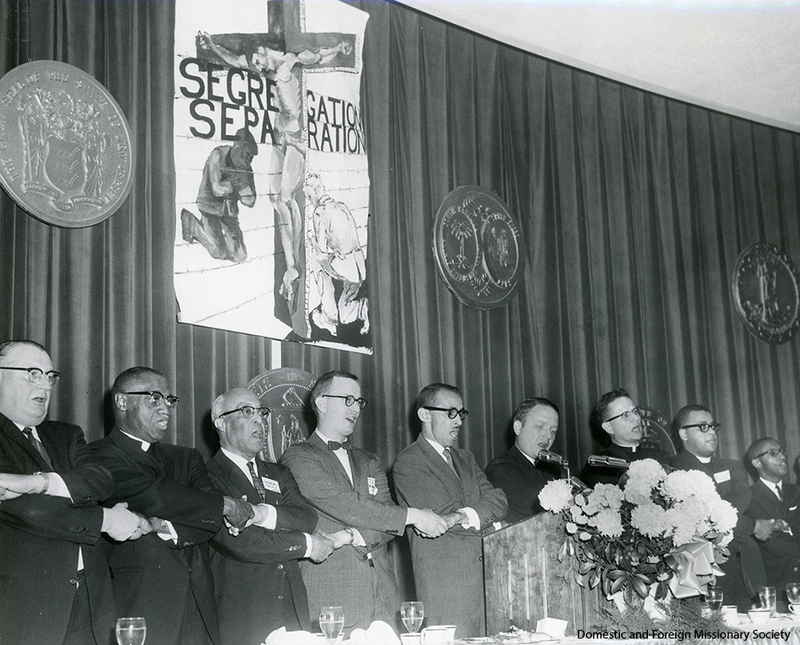
The group met on the campus of St. Augustine’s College in Raleigh, North Carolina, one of the ACIN colleges. By adopting many of the tactics used by other civil rights protesters, such as peaceful protest and civil disobedience, ESCRU sought to publicize long-standing problems of segregation and to promote racial unity and “harmony among peoples.” ESCRU wanted to awaken the consciousness of all Episcopalians and to call attention to the inequities in Episcopal schools, churches, and institutions.
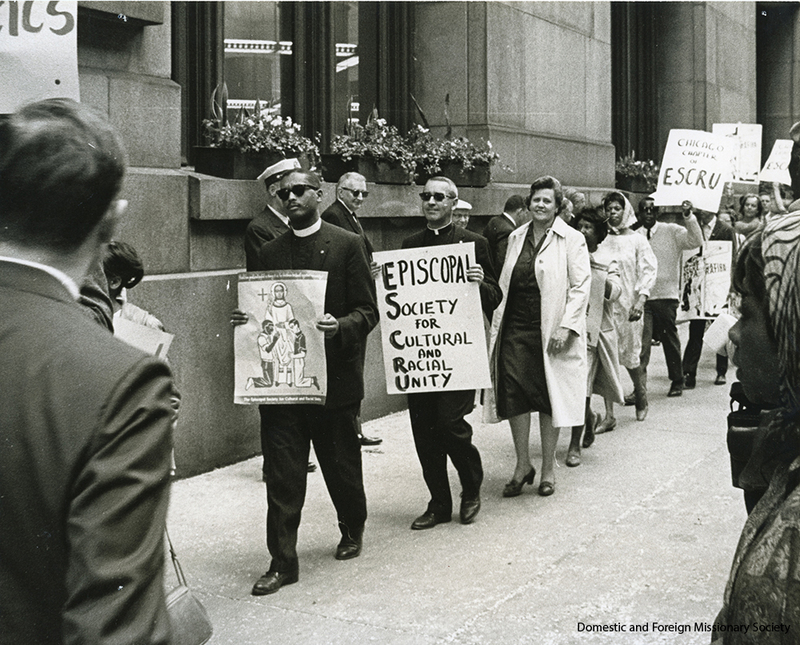
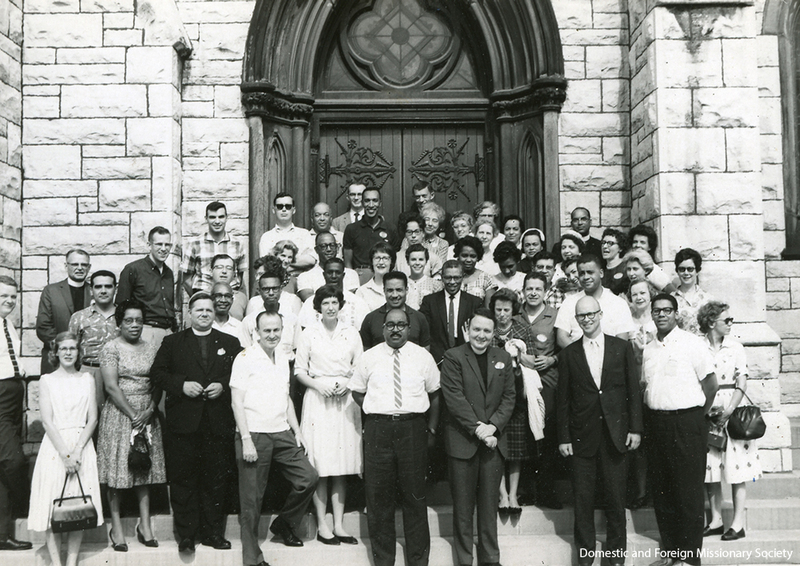
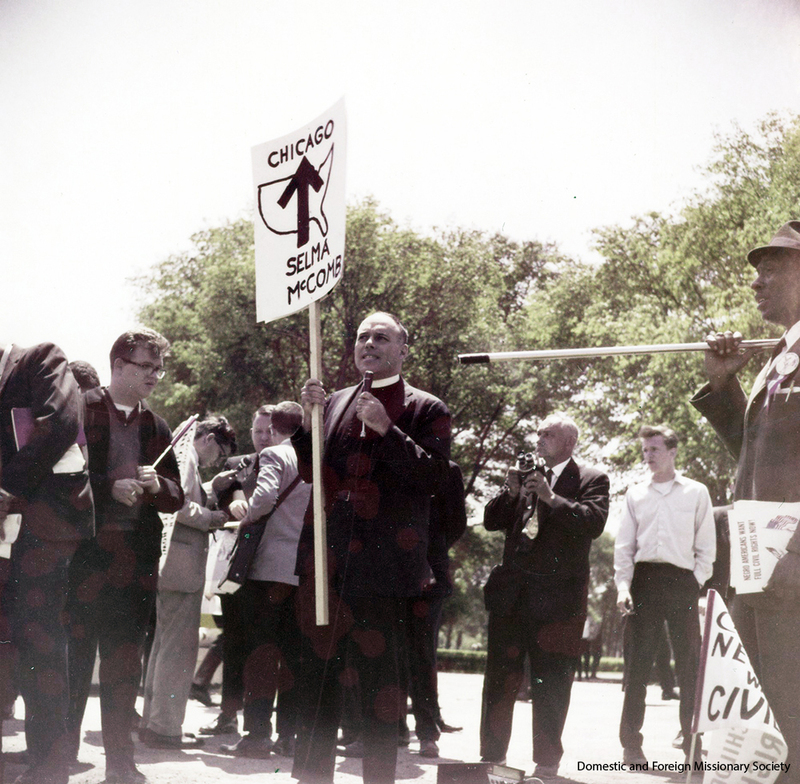
Coordinating Council of Community Organization ESCRU Demonstration, Chicago, IL, c. 1965.
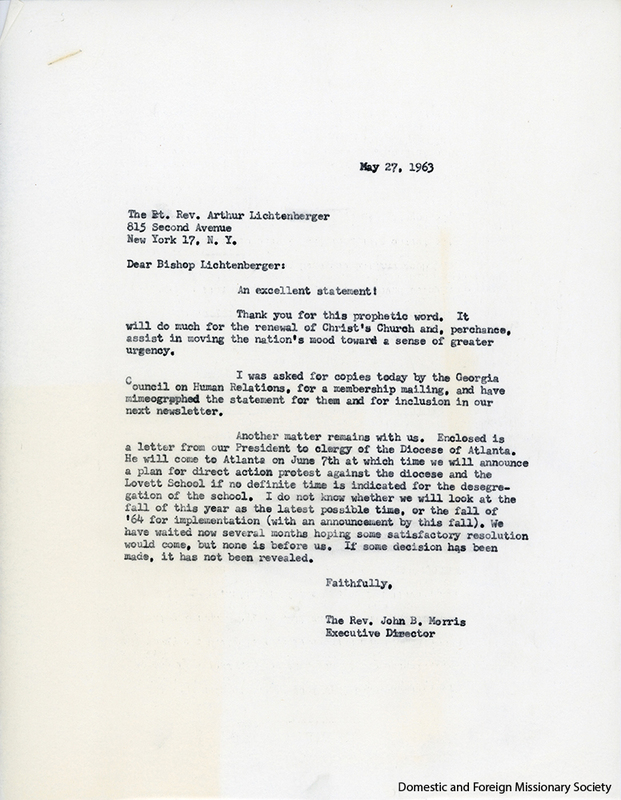
ESCRU’s membership grew from approximately 100 in 1959 to over 1,000 in 1961. At its peak in 1966, ESCRU counted 5,000 members in 29 chapters, of whom two-thirds were lay persons. Its strongest support was in northern urban areas, including Chicago, New York, and Boston, but chapters were also located in Georgia, Texas, and Maryland. ESCRU’s national office, which oversaw most of its outreach, was in Atlanta under the guidance of the Rev. John Morris, who served as Executive Director from 1960 to 1967.
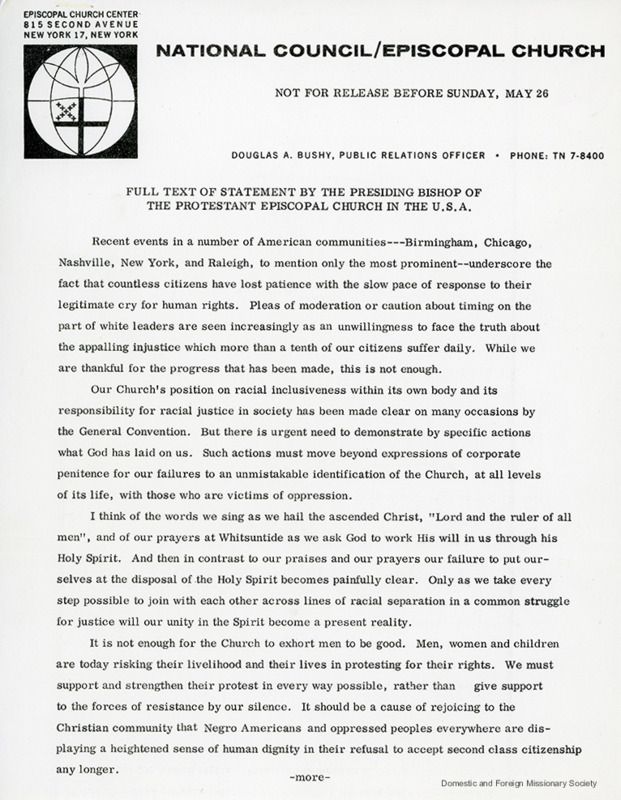
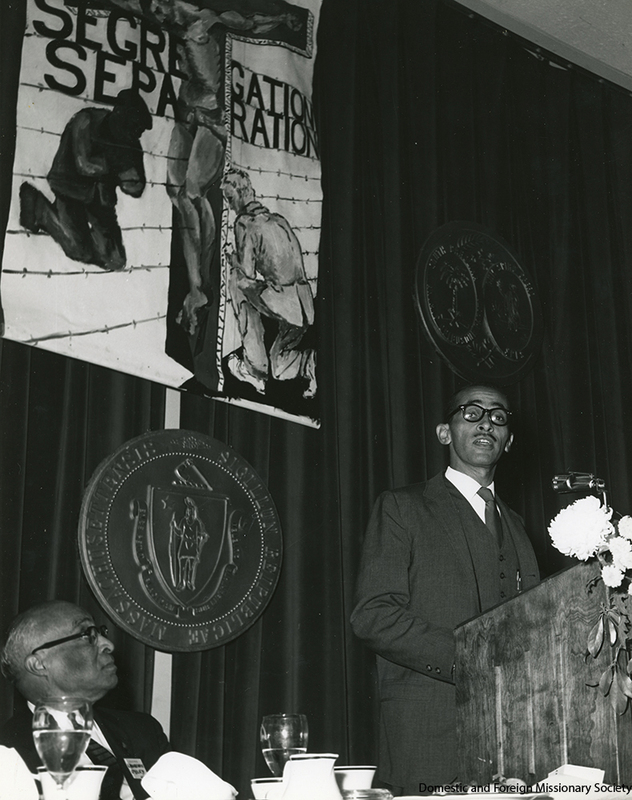
At its start, ESCRU had a profound effect in openly challenging the church hierarchy and Episcopal cultural institutions that had thus far lent meager support to the struggle for full integration of the church. Adopting the tactics of the larger struggle of the Civil Rights Movement, ESCRU’s Board of Directors targeted several high profile venues to dramatize the church’s institutional complacency.