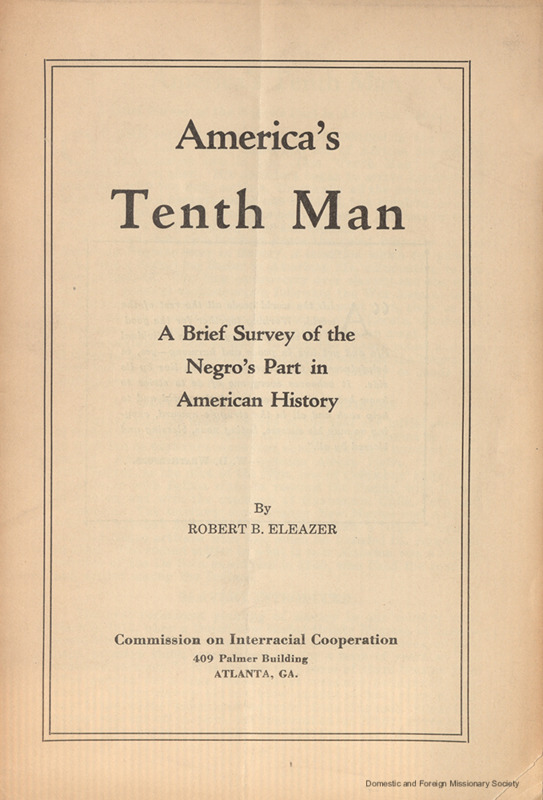
American Church Institute
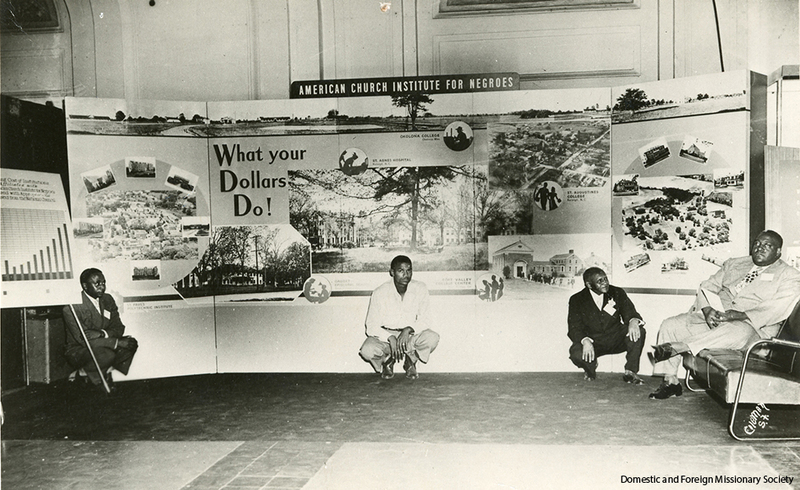
In 1952, the Board of Trustees of ACIN submitted a request for a special appeal for $1,317,779 to facilitate restoration work with the ACIN schools. Executive Council approved the resolution on September 5, 1952. Read this ACIN handout for more information.
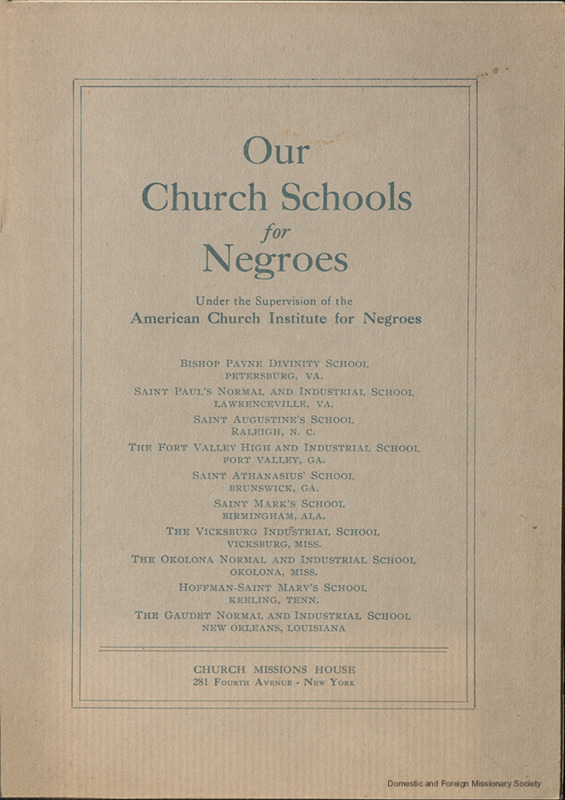
In 1909, the number of schools under ACIN’s umbrella began to expand. Schools were nominated by the bishops of the dioceses in which they existed and had to be properly organized with Boards of Trustees and officers to “secure permanence and responsibility for the schools’ management.” ACIN’s further requirements for candidate schools were that they be located in areas with a high concentration of Black Americans and that they received support from the state’s dioceses.
By 1912, ACIN began to focus its effort, developing general principles to guide the admission of new schools. The ACIN schools were not intended to conflict with the public schools being developed by the states; rather they were to co-operate with the public school system, primarily by providing teachers. Thus their focus would be with an eye towards taking students through a 12th grade education. The curriculum was to include “hand-craft and industrial work,” with a basic teaching course in the final year. Eight years later, ACIN described its province as “the maintenance of Academic, Normal and Industrial and Professional Schools and Colleges, to prepare members of the colored race as teachers in the public schools, and educated leaders, business men and women, under Christian and Church influence.”
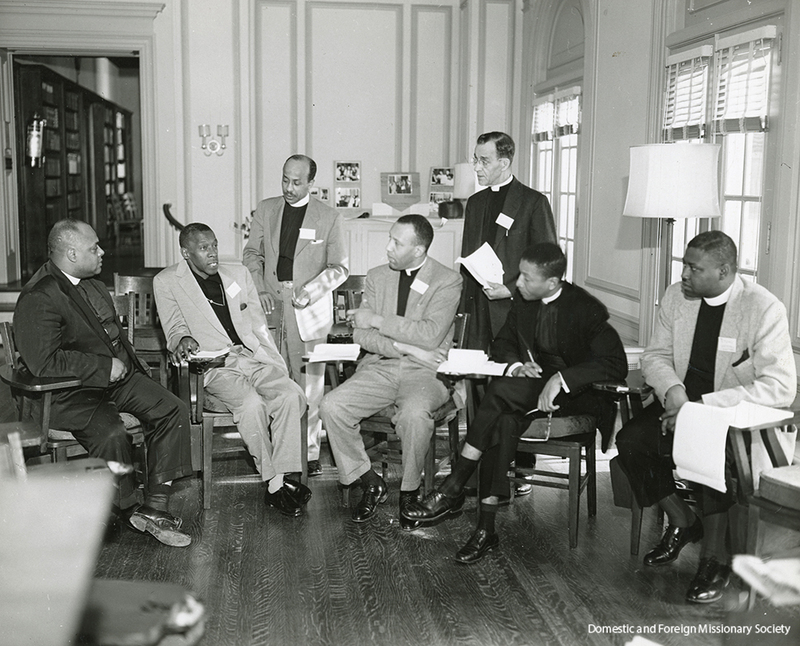
Conference of College Workers, Seabury House, 1955.
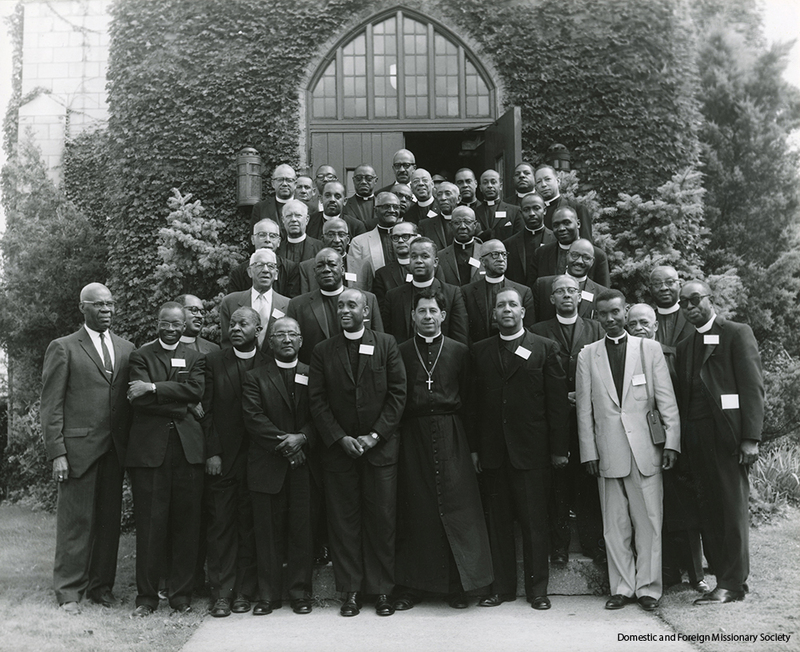
Conference of College Workers, St. Cyperian's, Detroit, MI, 1961.